

 FIBC Jumbo Bags
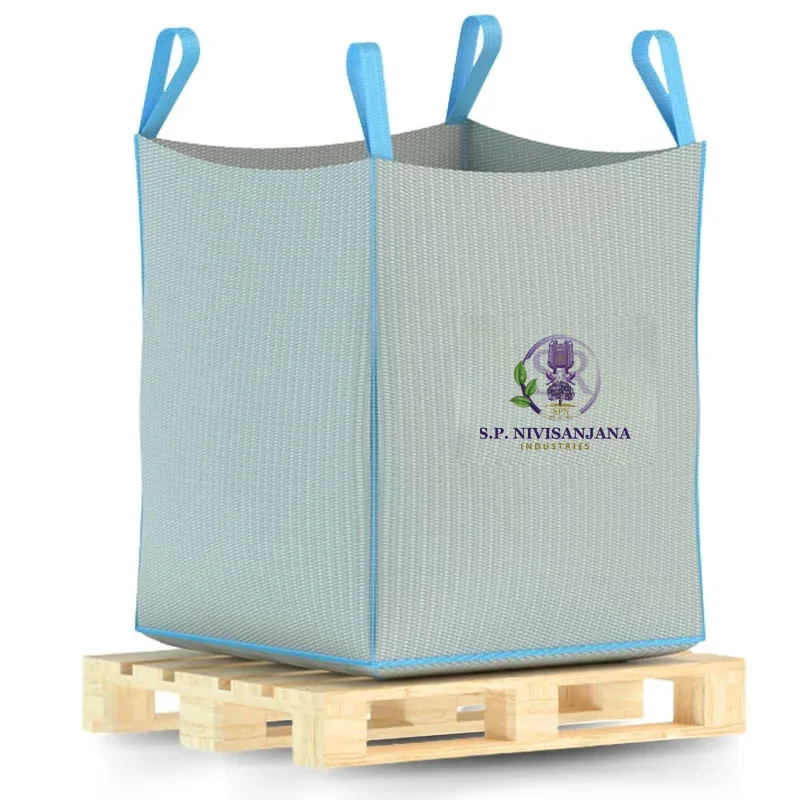
Type A Bulk Bags
Standard woven polypropylene bags for non-flammable, non-combustible products in safe environments.
Virudhachalam, Cuddalore, Tamil Nadu
FIBC Jumbo Bags
Conductive, groundable bulk bags with interwoven conductive threads for flammable powders in explosive atmospheres.
Overview
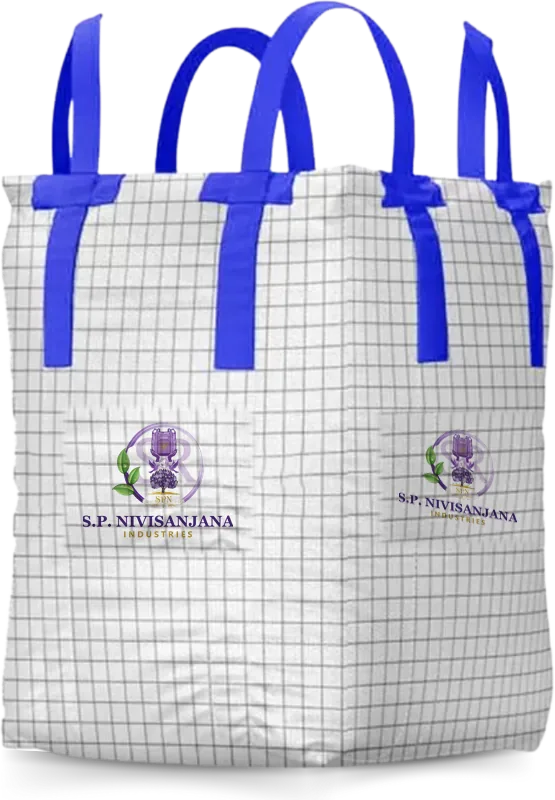
A Type C FIBC, also called a conductive or groundable bulk bag, is made from polypropylene fabric with a network of conductive threads or strips woven into the bag body. When this network is connected to a verified earth point during filling and emptying, the bag safely carries away static charge and prevents incendiary sparks that could ignite flammable powders, vapours or explosive atmospheres.
Friction between powder and fabric during filling or discharge builds up static charge. In a non-conductive bag this charge can release as a spark or brush discharge. In a Type C bag, the conductive grid gives the charge a continuous low-resistance path to earth. IEC 61340-4-4 requires resistance from any point on the network to the ground point below 1 × 10⁸ ohms, and the earth connection itself below 10 ohms.
A Type C bag must always be grounded before and during filling and discharge. An ungrounded Type C bag gives no protection and is as hazardous as an unprotected Type A bag in a flammable environment. Users should verify ground resistance before each fill cycle as part of their safety procedures. Conductive threads are woven into the fabric rather than coated on, so performance holds up over repeated use.
Key features
A grid of conductive threads runs through the whole bag and carries static charge safely to earth.
When grounded, suitable for powders of any MIE, including below 3 mJ, in flammable gas, vapour or dust atmospheres.
Conductive threads are woven in rather than surface-coated, so resistance stays consistent over repeated fill cycles and storage.
The conductive network stays unbroken across panel seams, baffles and mesh baffles.
Each batch is checked for resistance-to-ground before dispatch.
Grounding connections are placed at or near the lift loops for easy connection before filling and discharge.
Build options
Every bag is made to order — choose the construction, loops, top and bottom that suit your filling and discharge equipment.
Applications
Chemical manufacturing
flammable organic powders, reactive intermediates, fine pigments, sulphur compounds
Pharmaceuticals
flammable APIs and sensitive excipients in hazardous-area production
Mining & coal
coal dust, sulphide ore concentrates, combustible mining materials
Fireworks & pyrotechnics
oxidiser powders, propellant granules, pyrotechnic intermediates
Flour & starch milling
fine flour and starch in explosive dust atmospheres
Plastics & polymers
fine plastic powders, polymer granules, resin intermediates
Other sensitive powders
metal powders and other highly sensitive flammable bulk materials
Made for you
FAQ
A conductive bulk bag with a network of conductive threads woven into the fabric. When connected to earth, it dissipates static during filling and discharge, making it suitable for flammable powders in flammable vapour, gas or explosive dust atmospheres.
Their conductive thread network creates a continuous electrical path from the bag surface to an earth connection, neutralising static build-up. This differs from anti-static treatments, which only reduce charge generation.
Under IEC 61340-4-4, resistance from any point on the conductive network to the ground terminal must be below 1 × 10⁸ ohms, and the earth connection below 10 ohms. Both should be verified before each fill or discharge; an ungrounded Type C bag gives no protection.
Type C conducts static to earth and must always be grounded. Type D uses static-dissipative fabric that releases charge safely into the air without grounding, which suits sites where reliable grounding is impractical.
When grounded, all categories of dry flammable powders, including those with MIE below 3 mJ: fine chemicals, APIs, sulphur, metal powders, coal dust, fireworks components, plastic powders and flammable food starches.
Related products
FIBC Jumbo BagsStandard woven polypropylene bags for non-flammable, non-combustible products in safe environments.
 FIBC Jumbo Bags
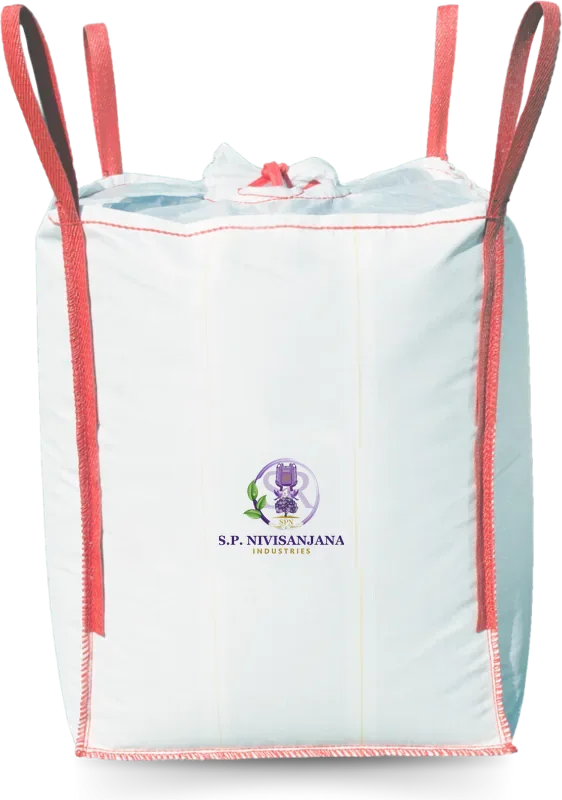
Low breakdown-voltage fabric that prevents propagating brush discharges when handling dry powders.
 FIBC Jumbo Bags
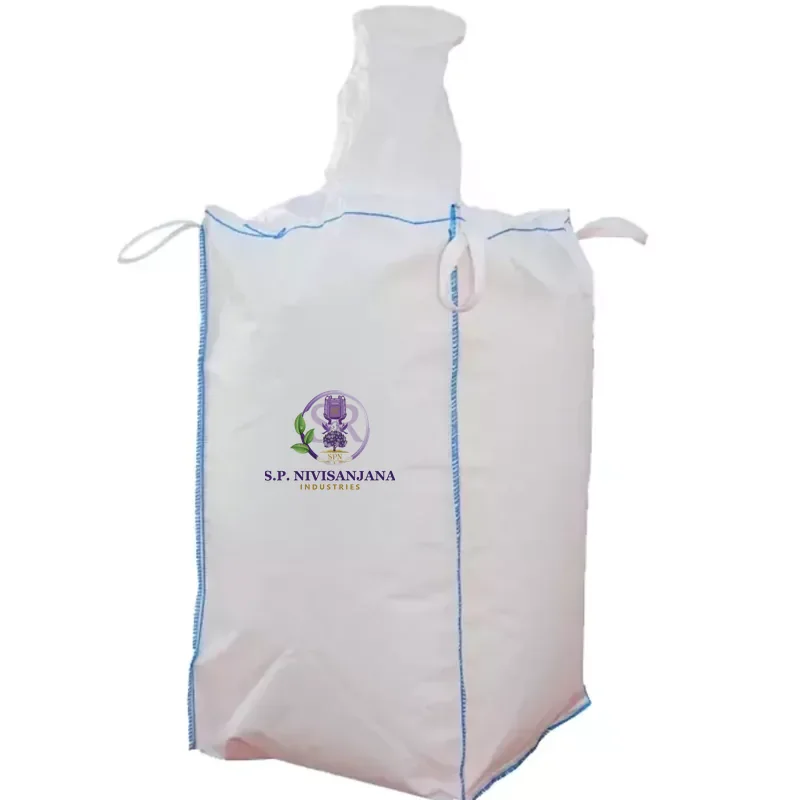
Hygienically made bulk bags of 100% virgin polypropylene with food-safe liners, for grains, sugar, flour and other food products.
Get a free quote
Share the product, quantity and size — we will suggest the right bag and send you a quote quickly.